Regulatory Framework and Surveyor Focus
Federal expectations for pressure injury management are established and enforced by the Centers for Medicare & Medicaid Services (CMS). Survey findings in this area are driven overwhelmingly by process failures rather than clinical outcomes alone. Under F686 — Treatment/Services to Prevent/Heal Pressure Ulcers, surveyors assess whether the facility identifies residents at risk, implements reasonable preventive measures, responds appropriately when injuries occur, revises interventions based on resident response, and maintains accurate and consistent documentation.
CMS guidance makes clear that facilities are not expected to prevent every pressure injury. Surveyors determine whether an injury was avoidable and whether the facility took reasonable steps to prevent or manage it appropriately. For leadership, this underscores a foundational compliance principle: pressure injury citations typically reflect system breakdowns, not isolated clinical events. Full surveyor guidance is available through the CMS State Operations Manual, Appendix PP.
Policies and Procedures as the Structural Foundation
Pressure injury management begins with current, operational policies and procedures. These documents must reflect how care is actually delivered — not restate clinical theory or regulatory language in the abstract. Policies that are outdated, overly generic, or inconsistent with observed practice raise concerns about oversight during surveys.
Leadership should ensure policies address each of the following operational areas:
- Risk assessment and reassessment schedules
- Preventive intervention standards
- Treatment and escalation protocols
- Documentation requirements
- Ongoing monitoring and review processes
Routine policy review and staff education are essential to maintaining relevance and supporting sustained compliance.
Risk Assessment Protocols and Care Planning Integration
Risk assessment is the trigger point for pressure injury prevention. Tools such as the Braden Scale are widely accepted, but their compliance value depends on how results are applied — not merely that they are completed. Pressure injury prevention compliance depends on a direct and documented connection between risk identification and care planning response.
Facility protocols should clearly define when assessments are conducted (admission, readmission, quarterly, and upon significant change), how results are communicated to the interdisciplinary team, and how risk levels drive care planning decisions.
Surveyors frequently cite facilities when risk assessments indicate vulnerability but preventive measures are delayed, incomplete, or undocumented. A documented risk level without corresponding interventions signals a breakdown between assessment and action — one of the most common sources of F686 citations.
Prevention Practices: Implementing and Sustaining Interventions
Once risk is identified, the facility must demonstrate that reasonable preventive measures are implemented and sustained. Prevention is where many compliance issues arise — not because interventions are clinically inappropriate, but because they are inconsistently carried out.
Established preventive practices include:
- Repositioning and offloading schedules
- Pressure-reducing mattresses and seating surfaces
- Routine skin inspections
- Moisture and incontinence management
- Nutrition and hydration support
Surveyors focus on whether selected interventions are implemented reliably, not whether every possible measure is employed. Documentation must support that preventive measures are not only ordered but actually provided. Leadership should routinely evaluate whether care plans, CNA documentation, and nursing notes are consistent. Discrepancies between these records are a common source of citations.
Treatment Protocols When Pressure Injuries Occur
Despite appropriate preventive efforts, some residents will develop pressure injuries. CMS recognizes that not all pressure injuries are avoidable, particularly in residents with complex medical conditions or at end of life. When injuries occur, facilities are expected to respond promptly and appropriately.
Treatment protocols should address:
- Timely identification and staging
- Practitioner notification and clinical involvement
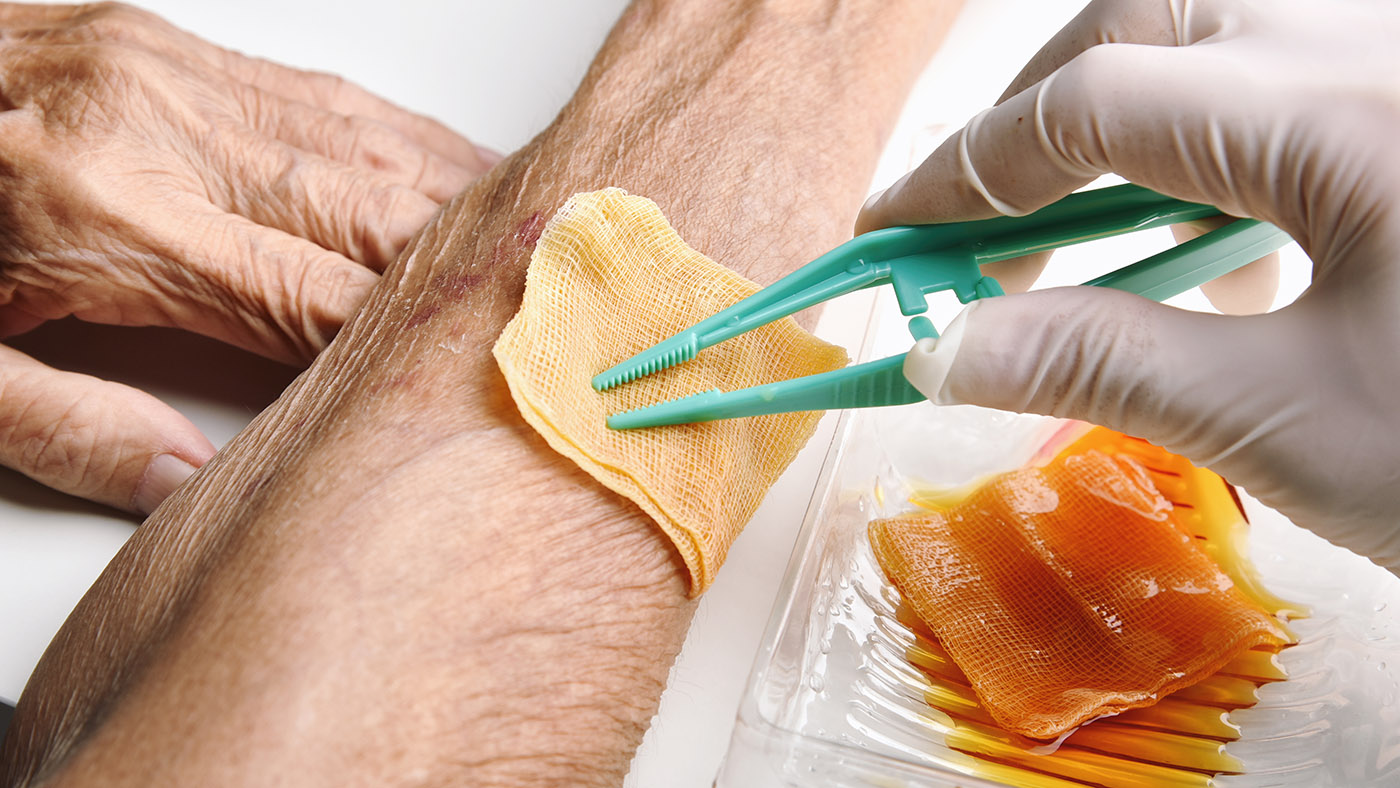
- Wound care consistent with professional standards
- Ongoing monitoring and reassessment
- Care plan revisions as conditions change
CMS guidance emphasizes individualized care and the obligation to revise interventions when wounds fail to progress or deteriorate. Additional clinical guidance is available through the National Pressure Injury Advisory Panel (NPIAP), which provides staging definitions and clinical practice resources referenced by CMS.
Documentation of reassessment, clinical decision-making, and follow-up frequently determines how treatment response is evaluated during surveys. Leadership oversight in these cases is not optional — it is a compliance expectation.
Documentation Standards and Audit Practices
Documentation is the primary means by which pressure injury management is evaluated after the fact. It must clearly reflect what was assessed, what was done, and how the resident responded over time.
Effective documentation includes:
- Risk assessment results and changes over time
- Measurable wound assessments with staging and characteristics
- Preventive and treatment interventions as ordered and delivered
- Practitioner orders and documented follow-up
- Resident refusals or clinical limitations, when applicable
Cross-disciplinary inconsistencies are a frequent compliance issue. Repositioning documented in nursing notes but absent from CNA flow sheets, for example, raises direct questions about whether care was provided as described. Leadership should support routine audits that compare assessments, care plans, and daily documentation to identify and correct discrepancies before survey.
Interdisciplinary Coordination and Accountability
Pressure injury management is inherently interdisciplinary. Nursing, therapy, dietary services, medical providers, and frontline staff each carry defined roles in prevention and treatment. Leadership is responsible for ensuring that these roles are clearly defined, actively executed, and consistently documented.
Leadership oversight in this area should ensure:
- Interdisciplinary meetings address pressure injury risk and outcomes directly
- Care plans reflect documented team input
- Communication pathways are clear and recorded
- Accountability is distributed across departments, not siloed in nursing
Surveyors look for evidence that interdisciplinary processes are substantive and ongoing. Meeting notes and care plan updates should reflect active engagement and follow-through, not procedural compliance alone.
QAPI Integration and Continuous Improvement Monitoring
Pressure injuries are a required focus area under Quality Assurance and Performance Improvement (QAPI). Leadership must ensure that pressure injury data is routinely reviewed, trended, and used to guide corrective action.
Effective QAPI monitoring in this area includes:
- Tracking incidence and prevalence rates over time
- Reviewing contributing factors associated with new injuries
- Identifying systemic barriers such as equipment availability, staffing patterns, or protocol gaps
- Implementing corrective actions and evaluating outcomes against established targets
Surveyors may request QAPI documentation related to pressure injuries when patterns are identified. Leadership participation in QAPI processes demonstrates the oversight and commitment to continuous improvement that CMS expects as a core component of regulatory compliance. Guidance on QAPI requirements for nursing facilities is available through CMS QAPI resources.